
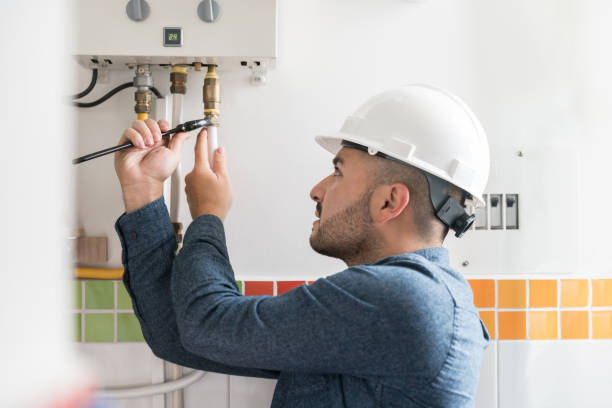
Most individuals do not consider their water heater until it breaks down. A water heater is an essential component of any home, and it should be maintained in good working order to ensure that it lasts as long as possible. We’ll talk about when to replace a water heater in this blog post, as well as the most prevalent problems that lead to replacement. We’ll also offer some advice on how to pick the right water heater for your needs.
A Water Heater's Life Expectancy
The typical lifespan of a water heater is eight to twelve years. Water heaters require routine maintenance to maintain a long lifespan. You may avoid many common problems and increase the lifespan of your water heater by following the right maintenance procedures. If the heater is not properly maintained, however, its lifespan can be limited. Water heaters can develop a variety of problems that necessitate their replacement before they reach the end of their useful life.
Water Heater Warning Signs
There are a number of indicators that your water heater needs to be replaced. It’s time to call a plumber to explore your choices if you detect any of the following problems.
Leakage of water
Water leaking is one of the most prevalent problems that homeowners encounter with their water heaters. This may indicate that your water heater needs to be replaced. While water heaters are designed to last a long time, they might eventually wear down and leak. It’s critical to respond quickly if you notice a water leak. Otherwise, you may face much more serious issues, such as water damage to your home.
Water That Is Rusty
It’s time to replace your water heater if it’s rusted. . The presence of rust indicates that the inner tank is corroding, and the entire tank will eventually fail. Not only will you be without hot water, but you may also be in danger. A rusted water heater can poison your property. If you wait too long, you could end up with a pricey and dangerous repair job.
Noises that are too loud
Sediment build-up is the most prevalent cause of noise in water heaters. Sediment buildup in water heaters is a typical problem that can result in noise, decreased performance, and even failure. Minerals in the water might settle to the tank’s bottom and form a hard crust over time. This crust can break off and hit the edges of the tank as the water is heated, generating a knocking sound. Sediment build-up can also cause corrosion and leaks if left unchecked. It’s critical to have your water heater evaluated by a professional to establish the source and find a remedy if it’s making noises.
Increased Energy Costs as People Get Older
If you’re seeing an increase in your energy bills, it’s possible that your water heater isn’t as efficient as it once was, especially if it’s an older model. One of the most common reasons for replacing a water heater is that it is no longer as efficient. It’s worth looking into if your water heater is to blame if your energy bills have been continuously rising, even if you haven’t changed your consumption habits.
Your water heater’s age: If your water heater has reached the end of its useful life, it’s probably time to consider replacing it. It may develop frequent problems such as water leaking or perhaps a total breakdown as it ages.
The severity of the problem: If the problem is minor, such as replacing a faulty part, it may be more cost-effective to simply fix the water heater. If the problem is more significant, such as a rusted tank, the whole unit should be replaced.
Repairs can be more expensive than replacing a water heater: In some circumstances. It’s advisable to replace the equipment if the repairs are extensive or you don’t have the necessary technical abilities. Furthermore, new issues may arise in the future, making repair the best decision in the long run.
Options for Replacing Your Water Heater
After deciding to replace your water heater, you must select the appropriate model for your property. There are various different types of water heaters on the market, each with its own set of advantages and disadvantages.
Energy Efficiency: When replacing a water heater, one of the most crucial elements to consider is energy efficiency. Because older water heaters are inherently less efficient than newer models, it’s critical to select one that will help you save money on your monthly energy bills.
Capacity: is one of the most critical aspects to consider when replacing your water heater. One common problem is not having enough hot water for your requirements, which may be uncomfortable and frustrating. A specialist can help you choose what size water heater is ideal for your property.
Dimensions: Water heaters come in a variety of shapes and sizes, so be sure you get one that will fit in your home comfortably. You’ll want to choose a smaller water heater if you have a tiny space. Tankless water heaters are popular since they save space in your home. They are, however, more costly to install and may not be the ideal solution for larger homes.
Choosing The Most Effective Strategy
A water heater replacement is a large project, but it’s definitely worth it. If you’re having any of the problems we mentioned, or if your water heater is past its prime, it’s time to replace it. We’d be delighted to assist you in determining your needs and making recommendations. To make an appointment with one of our experts, call 505-439-9060 today!
I need to to thank you for this very good read!! I certainly loved every little bit of it. I have you book-marked to check out new things you postÖ
Id like to thank you for the efforts youve put in writing this blog. Im hoping to see the same high-grade content by you later on as well. In truth, your creative writing abilities has motivated me to get my very own blog now 😉